


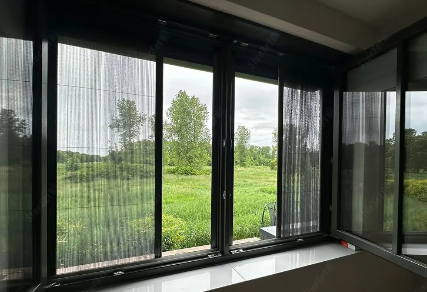
Flyscreen Handle Profiles: Comfort, Grip and System Compatibility
Discover why flyscreen handle profiles matter for daily comfort, smooth operation, system compatibility and professional pleated flyscreen production.
Flyscreen Handle Profiles: Comfort, Grip and System Compatibility
The handle profile is one of the most frequently used parts of a pleated flyscreen system. Every time the user opens or closes the screen, the handle profile becomes the main contact point between the product and the user.
Although it may look like a simple aluminium profile, the handle profile affects comfort, movement control, system balance, visual appearance and long-term usability. For dealers, installers, manufacturers and B2B buyers, handle profile quality should be evaluated as part of the complete flyscreen system.
What Is a Flyscreen Handle Profile?
A flyscreen handle profile is the vertical or horizontal profile section that the user holds or pulls to operate the screen. In pleated flyscreen systems, it usually works together with the mesh, cord system, side profiles, bottom guide and accessories.
Its main function is to help the user move the screen comfortably and control the opening or closing movement. A well-designed handle profile should feel stable, easy to grip and compatible with the rest of the system.
Why Handle Profiles Matter in Pleated Flyscreens
A pleated flyscreen is a moving product. The user does not only look at the system; they interact with it every day. The handle profile directly affects how the product feels during daily use.
If the handle profile is uncomfortable, too thin, poorly aligned or incompatible with the system, the entire flyscreen may feel less reliable. This is why the handle profile should not be treated as a minor detail.
Main Functions of a Flyscreen Handle Profile
The handle profile supports several functions at the same time. It is not only a grip element; it is also part of the movement and alignment structure of the flyscreen.
| Function | Technical Role | User Benefit |
|---|---|---|
| Grip comfort | Provides a surface for pulling or sliding the screen | Easier daily operation |
| Movement control | Helps transfer user force to the moving mesh system | Smoother opening and closing |
| System alignment | Works with profiles, mesh and cord structure | More stable movement across the opening |
| Visual finish | Creates a clean vertical or horizontal profile line | Better product appearance |
| Accessory connection | Supports compatibility with plastic parts and closing details | More reliable system integration |
Grip Comfort and Daily Use
The user should be able to hold and move the handle profile easily. A comfortable grip improves daily use, especially on doors, balcony transitions and frequently used openings.
If the handle profile is difficult to hold or does not offer enough control, the user may pull the screen unevenly. This can affect both movement comfort and long-term product satisfaction.
Handle Profile and Movement Quality
The handle profile helps transfer the user’s pulling force to the pleated mesh system. When the profile is properly designed and aligned, the screen can move more evenly across the opening.
In a well-balanced system, the handle profile should not twist, feel unstable or create uneven movement. It should work together with the cord system, mesh folds and guide structure.
System Compatibility Is Critical
A handle profile should be compatible with the flyscreen system it belongs to. Profile thickness, accessory connection points, mesh connection, closing direction and guide details should all match the product design.
Using an unsuitable handle profile can affect installation quality and daily operation. For professional buyers, compatibility is one of the most important criteria when evaluating component supply.
Handle Profiles in Door Applications
Door applications usually require more frequent use than small window applications. For this reason, the handle profile becomes even more important in pleated flyscreens used on balcony doors, terrace doors and wide openings.
In these applications, the handle profile should support comfortable grip, balanced movement and repeated daily operation. A weak or uncomfortable handle detail can quickly affect user perception.
Handle Profiles in Window Applications
In window applications, the handle profile may be used less frequently than in door systems, but it still affects the product experience. A clean and stable handle profile makes the screen easier to operate and improves the overall appearance.
For compact window systems, the handle profile should be planned according to available space, frame structure and product movement direction.
Aluminium Profile Quality
The handle profile is usually produced from aluminium. Aluminium quality, surface finish, coating, color consistency and profile geometry all affect the final product.
For B2B buyers, profile consistency is important because the same product should look and perform similarly across different orders. A consistent handle profile supports repeatable production quality.
Color and Surface Finish
Handle profiles should visually match the rest of the flyscreen system. White, anthracite, RAL colors, matte textures or wood-effect finishes may be evaluated depending on the product range and customer expectation.
A mismatched handle profile can make the product look unfinished. For premium projects and professional supply, color and surface consistency should be checked carefully.
Accessory and Closing Detail Compatibility
Handle profiles often work together with closing accessories, magnets, catches, plastic caps, guide parts and connection elements. These small components can affect how the system closes and feels during use.
For this reason, the handle profile should be evaluated together with accessory compatibility. A good flyscreen system is created by coordinated parts, not by separate components selected randomly.
Common Problems Caused by Poor Handle Profile Selection
If the handle profile is not compatible with the system or does not provide enough control, several problems may appear during use.
- Uncomfortable grip during opening or closing
- Uneven pulling force across the screen
- Handle profile feeling unstable or weak
- Poor alignment with mesh and side profiles
- Closing detail not working properly
- Lower perceived product quality
Why This Detail Matters for Dealers and Installers
Dealers and installers need products that feel reliable during daily use. The handle profile is one of the first details customers touch, so it strongly affects product perception.
A comfortable and stable handle profile can reduce user complaints and improve customer satisfaction. For professional buyers, this detail supports stronger product confidence.
Why This Detail Matters for Manufacturers
For manufacturers, handle profile selection affects production standardization. If the same handle profile is used consistently across compatible systems, production can become more repeatable and easier to control.
This also supports accessory compatibility, packaging planning and long-term product portfolio management.
Global Search Terms for This Topic
In international markets, this topic may be searched with terms such as flyscreen handle profile, insect screen pull profile, pleated flyscreen handle, mosquito screen handle, aluminium screen handle, flyscreen grip profile or custom flyscreen profile.
In other markets, similar searches may include Fliegengitter Griffprofil, Insektenschutz Griffleiste, moustiquaire profil de poignée, zanzariera profilo maniglia, hor handgreep profiel, komarnik ručka profil or plasa tantari profil maner.
For B2B Buyers: What Should Be Checked?
Professional buyers should evaluate the handle profile as part of the complete flyscreen system. The profile should match the mesh, accessories, cord structure and installation details.
- Grip comfort: The profile should be easy and comfortable to hold.
- Movement control: It should support smooth and balanced operation.
- Profile compatibility: It should match the system’s aluminium profile structure.
- Accessory fit: Closing parts, caps and guide elements should be compatible.
- Surface quality: Coating and color should be consistent with the product range.
- Repeat supply: The same profile quality should be available across future orders.
Related Sineset Pages
You can review Sineset flyscreen systems and contact the team for pleated flyscreen, profile and B2B component supply support.
- Explore Sineset flyscreen systems
- Sineset B2B solutions for professional buyers
- Contact Sineset for flyscreen profile support
Frequently Asked Questions
What is a flyscreen handle profile?
It is the profile section used to hold, pull or slide the flyscreen during opening and closing.
Why is the handle profile important?
It affects grip comfort, movement control, system alignment, closing quality and daily usability.
Can the wrong handle profile affect the flyscreen system?
Yes. An incompatible handle profile can cause poor movement, weak grip, alignment issues and lower user satisfaction.
Is aluminium quality important in handle profiles?
Yes. Aluminium quality, profile geometry, coating and color consistency all affect the final product.
Should B2B buyers check handle profile compatibility?
Yes. Dealers, installers and manufacturers should check whether the handle profile works correctly with the mesh, accessories, cord system and profiles.
Final Recommendation
The handle profile is a visible and frequently used part of a flyscreen system. It affects daily comfort, movement quality, system compatibility and product perception.
For the best result, professional buyers should evaluate handle profiles together with aluminium profiles, mesh, cord system, accessories and closing details. A well-matched handle profile supports a smoother, cleaner and more reliable flyscreen system.
