


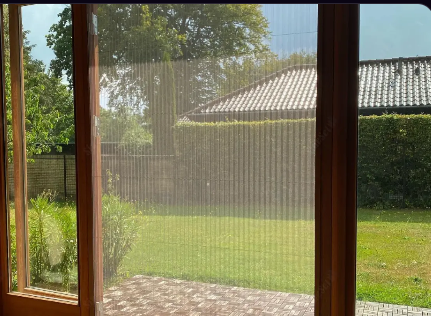
Flyscreen Brush Seals: Closing Small Gaps in Insect Screen Systems
Discover how flyscreen brush seals help close small gaps, improve system finishing and support better insect protection in windows, doors and B2B screen production.
Flyscreen Brush Seals: Closing Small Gaps in Insect Screen Systems
Flyscreen brush seals are small but important components used to improve the finishing, alignment and sealing performance of insect screen systems. They help reduce small gaps between the screen frame, profile, mesh system and window or door structure.
Although brush seals may look like a minor accessory, they can affect product quality, daily usability and customer satisfaction. For dealers, installers, manufacturers and B2B buyers, brush seal selection should be evaluated as part of the complete flyscreen system.
What Is a Flyscreen Brush Seal?
A flyscreen brush seal is a flexible pile strip used in selected parts of an insect screen system. It is usually placed inside profile channels or contact areas where the screen meets another surface.
Its main purpose is to help close small gaps, improve contact between components and create a cleaner finishing detail. Depending on the system, brush seals may be used in pleated flyscreens, sliding flyscreens, hinged flyscreens, fixed systems or other screen applications.
Why Are Brush Seals Important?
Insect screen systems are designed to reduce the entry of mosquitoes, flies and insects while allowing airflow. Even when the main frame and mesh are correct, small gaps around the system can affect the final performance.
Brush seals help support a more complete closure by filling narrow spaces that may appear between profiles, frames or moving parts. This makes them especially useful in professional flyscreen production and installation.
Main Functions of Flyscreen Brush Seals
Brush seals support several functions at the same time. They are not only used for gap coverage; they also improve the product’s finishing quality and system integration.
| Function | Technical Role | User Benefit |
|---|---|---|
| Gap reduction | Helps close small spaces between profiles and surfaces | Better insect protection support |
| Soft contact | Creates a flexible contact surface | Cleaner and more comfortable closing |
| Finishing detail | Improves the visual transition between parts | More professional product appearance |
| System adaptation | Supports different frame and profile conditions | Better installation flexibility |
| Movement support | Can help moving parts contact more softly | Smoother daily use in suitable systems |
Brush Seals in Pleated Flyscreens
In pleated flyscreen systems, brush seals can support the contact between moving profiles, side profiles and frame surfaces. They may help reduce small gaps that appear because of frame structure or installation conditions.
Since pleated flyscreens are moving systems, brush seal compatibility with the profile and movement direction is important. The brush should support the system without blocking smooth operation.
Brush Seals in Sliding Flyscreens
Sliding flyscreens move horizontally across the opening. In these systems, brush seals can be used to improve contact between the sliding panel and the side frame or rail area.
This can help create a cleaner closing line and improve the perceived quality of the product. For wide glass openings and balcony door applications, small details like brush seals can affect daily satisfaction.
Brush Seals in Hinged Flyscreens
In hinged flyscreen systems, the screen panel opens and closes with hinges. Brush seals may be used in contact areas where the panel meets the frame or closing surface.
A properly selected brush seal can help the hinged panel close more neatly and reduce small gaps around the frame. This supports both product appearance and insect protection performance.
Brush Seal Height and Density
Brush seals can vary in height, density and flexibility. The correct selection depends on the gap size, profile channel, contact surface and product type.
If the brush is too short, it may not close the gap effectively. If it is too high or too dense, it may create friction or affect movement. The best result comes from selecting a brush seal that matches the technical needs of the system.
Profile Compatibility
A brush seal should be compatible with the aluminium profile channel where it will be installed. The profile groove, brush base size and installation direction should work together correctly.
For B2B buyers, profile compatibility is especially important because the same brush seal should perform consistently across repeat production and different orders.
Why Brush Seals Matter for Installers
Installers often face real-world frame conditions. Window and door frames may not always be perfectly straight, and small variations can appear during installation.
Brush seals can help manage some of these small contact differences and create a cleaner final result. However, they should not be used to compensate for major measurement or installation errors.
Why Brush Seals Matter for Dealers
Dealers need products that look complete and perform reliably. When a flyscreen has visible gaps or poor closing details, customers may question the quality of the whole system.
A well-selected brush seal helps improve the final product feel. For dealers, this can support better customer feedback and fewer complaints after installation.
Why Brush Seals Matter for Manufacturers
For manufacturers, brush seals are part of production standardization. Correct brush selection helps create repeatable product quality across different product groups.
When profiles, mesh, accessories and brush seals are selected as a complete system, production becomes more consistent and easier to control.
Common Problems Caused by Poor Brush Seal Selection
If the brush seal is not compatible with the system, several problems may appear during installation or daily use.
- Visible gaps around the screen frame
- Brush not fitting properly into the profile channel
- Excessive friction in moving systems
- Brush height not matching the gap size
- Unclean closing line
- Lower perceived product quality
Brush Seals and Made-to-Measure Flyscreens
Made-to-measure flyscreens require accurate measurement, but brush seals can support the finishing quality of the installation. They help improve contact points and reduce small visual or functional gaps.
For professional buyers, brush seals should be considered during product planning rather than added as an afterthought. This helps create a cleaner and more controlled final product.
Global Search Terms for This Topic
In international markets, this topic may be searched with terms such as flyscreen brush seal, insect screen brush pile, mosquito screen seal, screen brush strip, aluminium flyscreen seal, window screen brush seal or flyscreen sealing detail.
In other markets, similar searches may include Fliegengitter Bürstendichtung, Insektenschutz Bürste, joint brosse moustiquaire, spazzolino zanzariera, hor borstelafdichting, komarnik četkica zaptivanje or plasa tantari perie etansare.
For B2B Buyers: What Should Be Checked?
Professional buyers should evaluate brush seals together with the full flyscreen system. The brush should match the profile, application type, movement direction and closing detail.
- Brush height: It should match the gap size and contact surface.
- Profile channel fit: The brush base should fit the aluminium profile correctly.
- Movement compatibility: It should not block smooth movement in sliding or pleated systems.
- Density and flexibility: The brush should provide contact without excessive friction.
- System use: The correct brush type should be selected for fixed, hinged, sliding or pleated systems.
- Repeat supply: The same quality should be available across future production orders.
Related Sineset Pages
You can review Sineset flyscreen systems and contact the team for flyscreen components, brush seal details and B2B supply support.
- Explore Sineset flyscreen systems
- Sineset B2B solutions for professional buyers
- Contact Sineset for flyscreen component support
Frequently Asked Questions
What is a flyscreen brush seal?
It is a flexible pile strip used to help close small gaps between flyscreen profiles, frames and contact surfaces.
Why are brush seals used in flyscreens?
They help reduce small gaps, improve closing details and support better finishing quality in insect screen systems.
Can brush seals improve insect protection?
They can support insect protection by helping close small gaps around the system, but correct measurement and installation remain essential.
Are brush seals used in pleated flyscreens?
Yes. Brush seals can be used in suitable pleated flyscreen systems depending on profile design and application detail.
What should B2B buyers check when buying brush seals?
Brush height, profile compatibility, density, flexibility, system type and repeat supply quality should be checked.
Final Recommendation
Flyscreen brush seals are small components that can make a visible difference in system finishing, gap reduction and daily product satisfaction.
For the best result, brush seals should be selected according to profile compatibility, gap size, system type and movement requirements. Professional buyers should evaluate them as part of the full flyscreen system, together with profiles, mesh, accessories and installation details.
