


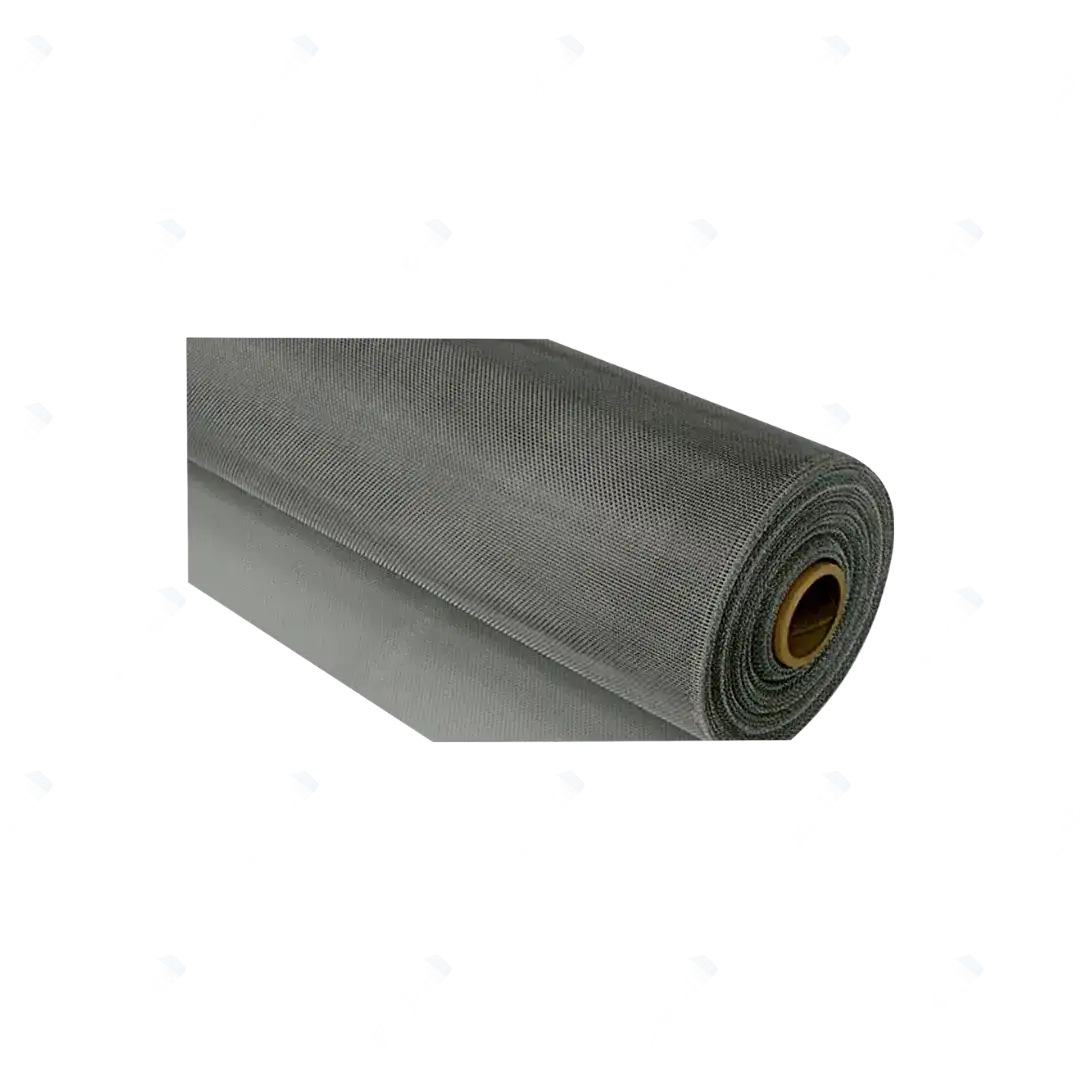
Flat Flyscreen Mesh: Mesh Material for Fixed, Hinged, Sliding and Roll-Up Insect Screen Systems
Discover flat flyscreen mesh for fixed, hinged, sliding and roll-up insect screen systems. A key component for manufacturers, dealers, installers and B2B screen production.
Flat Flyscreen Mesh: Mesh Material for Fixed, Hinged, Sliding and Roll-Up Insect Screen Systems
Flat flyscreen mesh is one of the core materials used in fixed, hinged, sliding and roll-up insect screen systems. It creates the protective surface that helps reduce the entry of mosquitoes, flies and insects while allowing fresh air to pass through the opening.
For manufacturers, dealers, installers, PVC window companies and B2B buyers, mesh quality is a critical part of the final product. A flyscreen system is not only made of aluminium profiles and accessories; the mesh also determines visibility, airflow, durability, appearance and customer satisfaction.
What Is Flat Flyscreen Mesh?
Flat flyscreen mesh is a non-pleated mesh material used in many classic insect screen systems. Unlike pleated mesh, it does not fold into a side profile. Instead, it is stretched or positioned inside a frame, cassette or guide structure depending on the product type.
This mesh can be used in different flyscreen systems such as fixed screens, hinged screens, sliding screens and roll-up screens. The correct mesh type should be selected according to the system design, frame structure and application area.
Where Is Flat Flyscreen Mesh Used?
Flat mesh can be used in several product groups. Each system uses the mesh differently, so the mesh must be compatible with the profile, frame, cassette or rail structure.
| System Type | How the Mesh Is Used | Main Benefit |
|---|---|---|
| Fixed flyscreens | Stretched inside a fixed aluminium frame | Continuous insect protection for windows |
| Hinged flyscreens | Installed inside an opening frame with hinge movement | Accessible insect protection for selected windows and doors |
| Sliding flyscreens | Used inside a sliding aluminium panel | Horizontal movement for wide glass openings |
| Roll-up flyscreens | Works with cassette and side guide profiles | Retractable insect protection for windows |
| B2B production | Supplied as roll or cut mesh according to production need | Consistent material for repeat manufacturing |
Why Mesh Quality Matters
The mesh is the part of the flyscreen that users see and interact with every day. Poor mesh quality can affect visibility, airflow, tension, appearance and long-term product performance.
For professional buyers, mesh consistency is especially important. Dealers and manufacturers need material that can be used repeatedly across different orders without creating visible quality differences between products.
Airflow and Insect Protection
The main purpose of flyscreen mesh is to create a barrier against insects while still allowing air to pass through. A well-selected mesh supports ventilation without leaving the window or door completely open to mosquitoes and flies.
This balance between airflow and insect protection is one of the key reasons why mesh selection should not be treated as a minor detail.
Visibility and Interior Comfort
A flyscreen should protect the space without making the window feel visually blocked. Mesh color, density and texture can affect how clearly users see outside and how the product looks from inside the room.
For modern homes, villas, apartments, hotels and residential projects, the visual effect of the mesh is important. A clean and consistent mesh surface can make the full flyscreen system look more professional.
Flat Mesh for Fixed Flyscreens
In fixed flyscreen systems, flat mesh is usually stretched inside a frame. This creates a simple and stable insect protection solution for windows where daily passage is not required.
For fixed applications, mesh tension and frame compatibility are important. If the mesh is not positioned correctly, the final product may look loose or uneven.
Flat Mesh for Hinged Flyscreens
In hinged flyscreen systems, flat mesh is installed inside a framed panel that opens with hinges. This type of application requires the mesh to stay stable inside the moving frame.
The mesh should work together with the aluminium profile, corner joints, hinge system and handle detail. For B2B buyers, this component compatibility affects installation quality and customer satisfaction.
Flat Mesh for Sliding Flyscreens
Sliding flyscreens use flat mesh inside a panel that moves horizontally. The mesh should remain stable while the panel slides across the opening.
This is important for wide glass doors, balcony transitions and terrace openings. A clean mesh surface improves the appearance of the sliding panel and supports comfortable daily use.
Flat Mesh for Roll-Up Flyscreens
In roll-up flyscreens, the mesh works with a cassette and side guide profiles. It must move smoothly as the system opens and closes vertically.
For retractable systems, mesh behavior during movement is important. The material should support regular rolling, proper alignment and practical daily operation.
Roll Supply and Cut Mesh Options
Professional buyers may need flat flyscreen mesh in different supply formats. Some manufacturers prefer roll supply for production flexibility, while others may need cut mesh prepared for specific product groups.
The right supply format depends on the buyer’s production process, storage capacity, order volume and product range. For B2B supply, packaging and repeat availability should also be evaluated.
Global Search Terms for This Product
In international markets, flat flyscreen mesh may be searched with terms such as flyscreen mesh, insect screen mesh, mosquito screen mesh, window screen mesh, aluminium fly screen mesh, fly screen mesh roll, insect screen material or custom flyscreen mesh.
In other markets, similar products may be searched as Fliegengitter Gewebe or Insektenschutz Gewebe in German, toile moustiquaire in French, rete zanzariera in Italian, horrengaas or horren gaas in Dutch, and mreža za komarnik or plasa tantari in Balkan and Eastern European markets.
For Dealers, Manufacturers and Installers
Flat flyscreen mesh can be evaluated by dealers, manufacturers, installers, PVC window companies, aluminium system companies and project buyers who need reliable component supply for insect screen production.
For B2B supply, buyers should evaluate mesh type, roll dimensions, color options, system compatibility, packaging, storage conditions and repeat supply capability.
Related Sineset Pages
You can review Sineset flyscreen systems and contact the team for flat mesh and B2B component supply needs.
- Explore Sineset flyscreen systems
- Sineset B2B solutions for dealers and professional buyers
- Contact Sineset for flat mesh and component supply
What Should You Check Before Ordering?
- System type: Check whether the mesh will be used in fixed, hinged, sliding or roll-up flyscreens.
- Mesh compatibility: The mesh should match the profile, frame, cassette or rail system.
- Supply format: Determine whether roll supply or cut mesh is needed.
- Visual expectation: Mesh color and texture should match the final product appearance.
- B2B planning: Dealers and manufacturers should evaluate repeat supply, packaging and storage.
- Production consistency: Mesh quality should remain stable across different batches and orders.
Frequently Asked Questions
What is flat flyscreen mesh?
Flat flyscreen mesh is a non-pleated mesh material used in fixed, hinged, sliding and roll-up insect screen systems.
Which systems use flat mesh?
Flat mesh can be used in fixed flyscreens, hinged flyscreens, sliding flyscreens and roll-up flyscreen systems depending on the product design.
Is flat mesh different from pleated mesh?
Yes. Flat mesh is used as a straight mesh surface, while pleated mesh has a folded structure and is used in pleated flyscreen systems.
Can flat mesh be supplied for B2B production?
Yes. Manufacturers, dealers, installers and window companies can evaluate flat mesh for production and component supply.
Why is mesh quality important?
Mesh quality affects airflow, visibility, insect protection, product appearance and long-term customer satisfaction.
Final Recommendation
Flat flyscreen mesh is a key component for fixed, hinged, sliding and roll-up insect screen systems. It affects product appearance, airflow, visibility, insect protection and daily usability.
For the best result, mesh should be selected according to system type, profile compatibility, production format and B2B supply expectations. Professional buyers can evaluate flat mesh as part of Sineset’s broader flyscreen and component supply range.
