


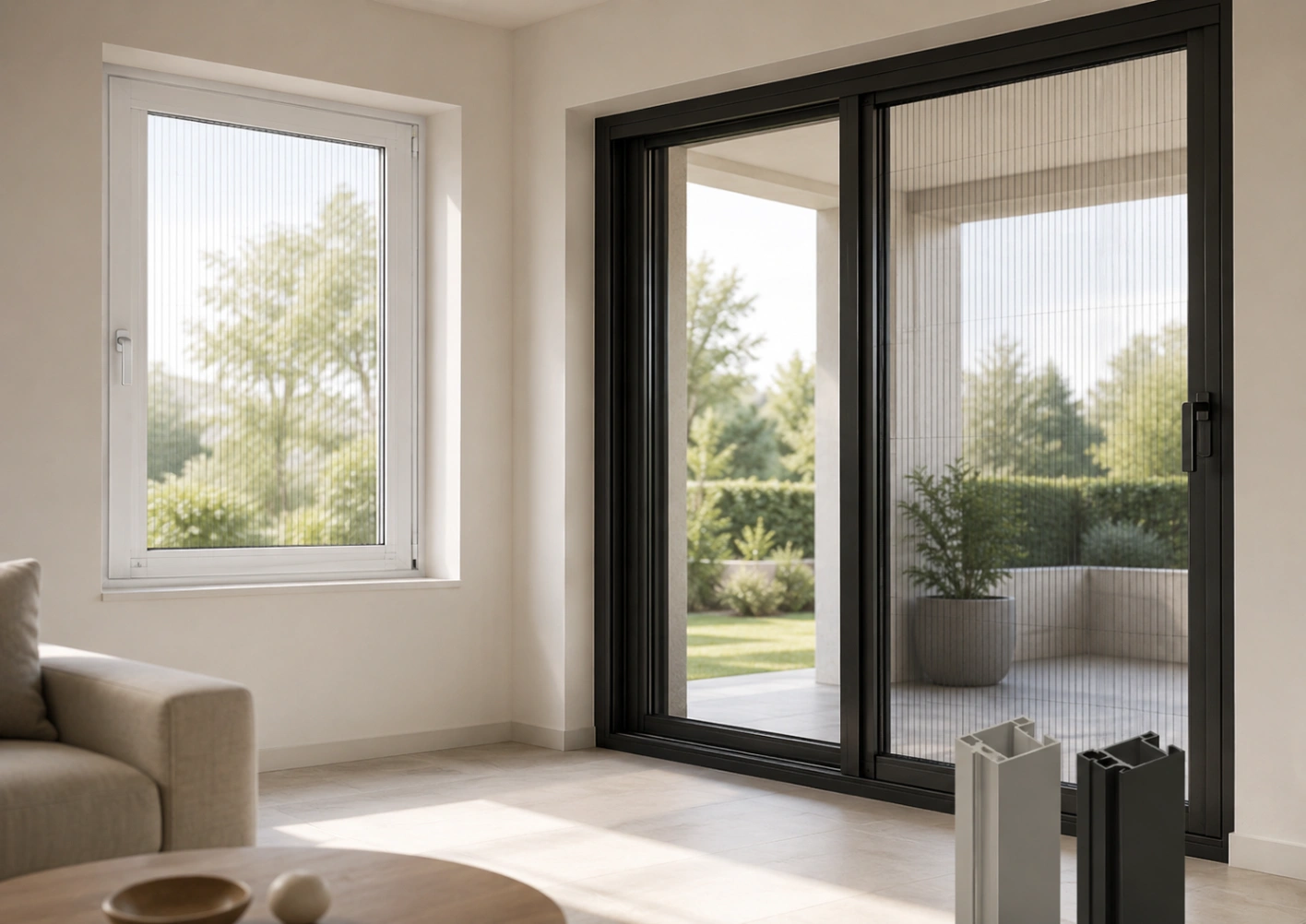
How to Choose the Right Flyscreen Color for Modern Windows and Doors
Flyscreen color selection affects both the visual harmony and perceived quality of windows, balcony doors and terrace openings. This guide explains how to choose the right flyscreen profile color for white PVC frames, anthracite joinery, aluminum systems and modern architectural projects.
How to Choose the Right Flyscreen Color for Modern Windows and Doors
Flyscreen color selection affects both the visual harmony and the perceived quality of windows, balcony doors and terrace openings. A well-chosen flyscreen color can make the system look integrated, clean and premium, while a poor color choice can make even a high-quality flyscreen look separate from the window or door structure.
For modern homes, villas, hotels and architectural projects, flyscreen color should be considered as part of the overall window and facade design. The goal is simple: the flyscreen should protect the living space without disrupting the clean lines of the building.
Why Flyscreen Color Selection Matters
A flyscreen is installed directly on or around the window and door frame. This means it becomes part of the visible joinery system. The profile color affects how noticeable the flyscreen looks, how well it matches the frame and how premium the final installation feels.
Especially on balcony doors, terrace doors and large glass openings, the flyscreen profile is more visible than on small windows. Choosing the right color helps the system blend with the existing frame, facade or interior palette.
Match the Flyscreen Color with the Window Frame
The safest and most common approach is to match the flyscreen profile color with the existing window or door frame. White flyscreens usually work well with white PVC windows, while anthracite grey or black profiles can look more architectural on dark aluminum or modern facade systems.
This approach creates a cleaner and more integrated appearance. If the flyscreen color is very different from the frame, the system may stand out more than intended.
Popular Flyscreen Colors for Modern Homes
- White: Clean, simple and suitable for white PVC windows and bright interiors.
- Anthracite grey: Modern, architectural and ideal for contemporary aluminum frames.
- Black: Strong, minimal and suitable for dark frames or industrial-style designs.
- Brown: Works well with wooden-look frames, warm facades and classic homes.
- Custom RAL colors: Useful for projects that require exact facade, frame or brand color matching.
White Flyscreens
White is one of the most widely used flyscreen colors because many homes use white PVC windows. It creates a clean and familiar look, especially in bright interiors and residential buildings.
White flyscreens are usually preferred when the goal is to keep the window area light, simple and visually neutral. They are practical for apartments, villas, summer houses and standard residential projects.
Anthracite Grey and Black Flyscreens
Anthracite grey and black flyscreens are increasingly popular in modern architecture. They match well with dark aluminum frames, large glass doors, minimalist facades and contemporary exterior designs.
These colors can make the flyscreen feel more architectural and premium. They are especially suitable for modern villas, hotels, restaurants, terrace doors and projects where the window system already has a dark frame.
Brown and Wooden-Look Frame Applications
Brown flyscreen profiles can be a good choice for wooden-look PVC frames, warm-toned facades and traditional homes. They help the system feel more connected to the existing window design instead of creating a strong contrast.
For renovation projects, matching the flyscreen color to older frame tones can create a more natural and balanced final appearance.
Benefits for Homeowners
For homeowners, the right flyscreen color improves both comfort and appearance. The system should provide insect protection and fresh airflow, but it should also look like a natural part of the window or door.
A matching color can make the flyscreen less noticeable, while a contrast color can be used intentionally for a more modern or architectural effect. The best choice depends on the frame color, interior design and exterior facade.
Benefits for Dealers, Installers and Project Companies
For B2B partners, color selection is an important part of customer satisfaction. Dealers, installers, PVC window companies and project firms often need flyscreen colors that match different frame systems, facade designs and market expectations.
For companies comparing different insect screen solutions, Sineset flyscreen systems offer practical options for windows, doors, balcony applications and modern residential projects.
Flyscreen Color Selection Guide
| Frame or Design Type | Recommended Flyscreen Color | Why It Works |
|---|---|---|
| White PVC windows | White | Creates a clean and seamless appearance |
| Anthracite aluminum frames | Anthracite grey | Matches modern architectural joinery |
| Black frames | Black | Supports a minimal and premium look |
| Wooden-look frames | Brown or matching tone | Creates warmer and more natural visual harmony |
| Project-based facades | Custom RAL color | Allows more precise color coordination |
How to Choose the Right Flyscreen Color
Before choosing a flyscreen color, the window frame, facade color, interior palette and usage area should be reviewed together. A balcony door facing the living room may need a different visual approach than a garden-facing window or hotel room application.
- For white PVC frames: White is usually the safest and cleanest option.
- For modern dark frames: Anthracite grey or black creates a more integrated look.
- For wooden-look frames: Brown or similar warm tones can look more natural.
- For facade projects: Custom RAL matching can support architectural consistency.
- For B2B projects: Consider market demand, frame color standards and project specifications.
If you are not sure which color or system fits your window or door, you can use the measure and order support page to share your application details and receive guidance.
Frequently Asked Questions
What is the best flyscreen color for white PVC windows?
White is usually the best option for white PVC windows because it creates a clean and seamless appearance around the frame.
Are black flyscreens suitable for modern homes?
Yes. Black flyscreens can look very modern when used with black frames, dark aluminum systems or contemporary architectural designs.
What color flyscreen should I choose for anthracite frames?
Anthracite grey is usually the most suitable choice because it matches the frame and creates a more integrated look.
Can flyscreens be produced in custom colors?
Depending on the system and project requirements, custom RAL color options may be available for better frame, facade or design matching.
Is flyscreen color important for B2B projects?
Yes. Color selection affects the final appearance, customer satisfaction and compatibility with window, facade and architectural project specifications.
Final Recommendation
The right flyscreen color should match the frame, facade and overall design language of the space. White works well for classic PVC windows, anthracite grey and black support modern architectural designs, and brown tones can suit wooden-look frames.
To compare suitable insect screen systems for your home or project, explore Sineset flyscreen systems or contact Sineset for project-based support.
